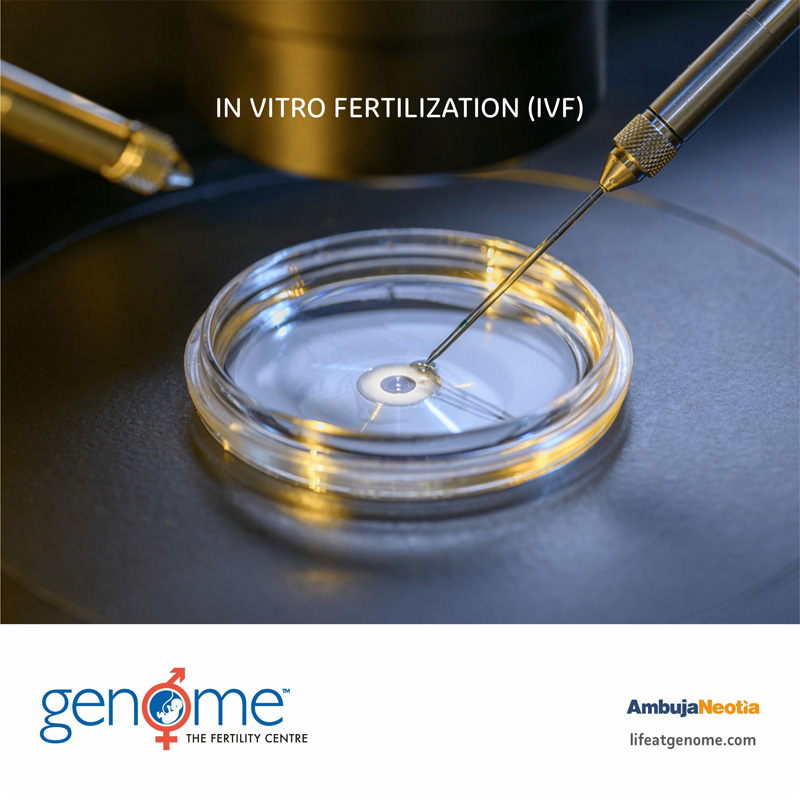
In Vitro Fertilization (IVF)
IVF stands for in vitro fertilization, which is a fertility treatment that involves combining sperm and eggs outside of the body in a laboratory. The resulting embryos are then transferred into the uterus with the goal of achieving a successful pregnancy.
The process of IVF typically involves several steps. First, a woman undergoes a course of fertility medications to stimulate the ovaries to produce multiple eggs. Then, eggs are retrieved from the ovaries using a minimally invasive procedure called transvaginal ultrasound-guided follicle aspiration. The retrieved eggs are then fertilized in a laboratory with sperm, and the resulting embryos are cultured for several days.
After the embryos have been cultured, one or more embryos are transferred into the uterus using a catheter. Any remaining embryos may be frozen for future use. A pregnancy test is performed approximately two weeks after the embryo transfer to determine if the IVF cycle was successful.
IVF can be an effective treatment for a range of fertility issues, including male factor infertility, tubal factor infertility, endometriosis, and unexplained infertility. It can also be used in cases where other fertility treatments, such as IUI, have not been successful. The success rate of IVF also varies depending on a number of factors, including the age of the individuals, the underlying cause of infertility, and the quality of the embryos.
Overall, IVF can be a useful option for individuals and couples who are experiencing infertility and have not been successful with other treatments. However, it is important to discuss the benefits and limitations of IVF with genome consultant to determine if it is the most appropriate treatment option for each individual or couple.