Blastocyst Culture
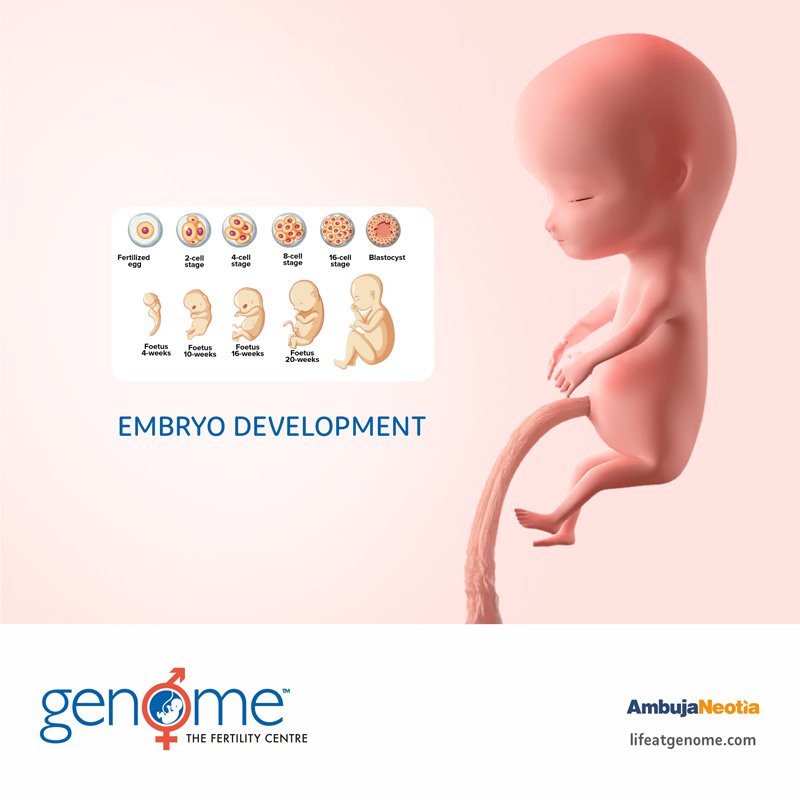
Blastocyst culture is a laboratory technique used during in vitro fertilization (IVF) to allow embryos to develop to a later stage before they are transferred into the uterus. During traditional IVF, embryos are typically transferred into the uterus 2-3 days after fertilization, when they have developed into 4-8 cell embryos. In contrast, blastocyst culture involves allowing embryos to develop for an additional 2-3 days, until they reach the blastocyst stage.
The blastocyst stage is characterized by the formation of an inner cell mass, which will eventually become the fetus, and an outer layer of cells, which will become the placenta. By allowing embryos to develop to this stage in the laboratory, embryologists can more accurately select the most viable embryos for transfer, potentially improving the chances of a successful pregnancy.
During blastocyst culture, embryos are placed in a special culture medium that provides the necessary nutrients for growth and development. Embryologists monitor the embryos closely during this time, looking for signs of proper development and selecting the most viable embryos for transfer.
Overall, blastocyst culture can be a useful tool in the field of reproductive medicine, allowing for improved selection of embryos for transfer and potentially improving the chances of a successful pregnancy. However, not all embryos will develop to the blastocyst stage, and the success rates of blastocyst transfer can vary depending on a variety of factors, including the age and health of the individuals involved.