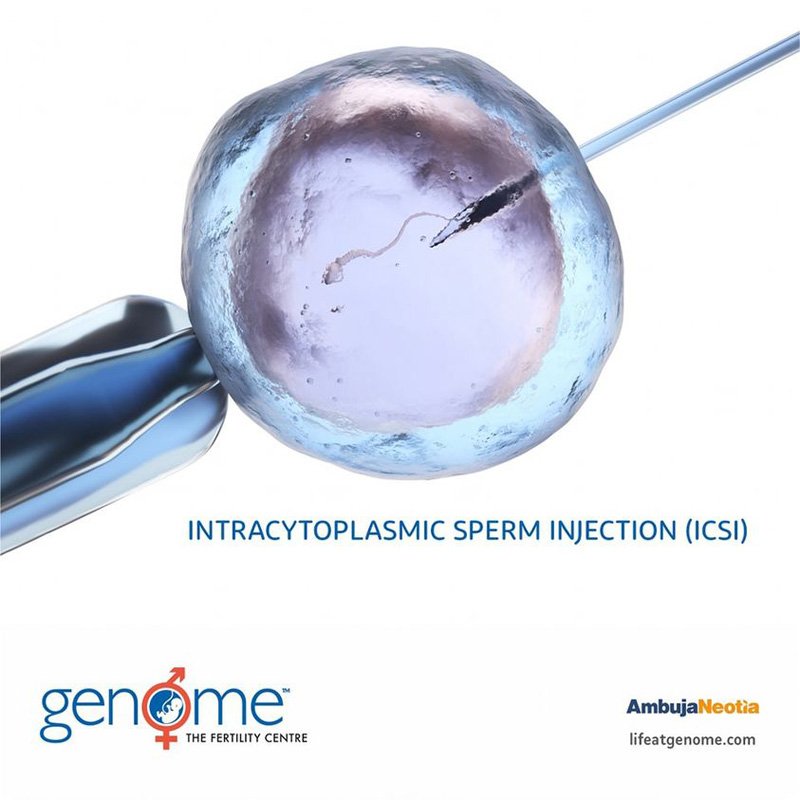
Intracytoplasmic Sperm Injection (ICSI)
ICSI stands for intracytoplasmic sperm injection, which is a type of assisted reproductive technology (ART) used in cases of male factor infertility. ICSI involves the injection of a single sperm directly into an egg in order to facilitate fertilization and improve the chances of a successful pregnancy.
ICSI is typically used in cases where the male partner has a low sperm count, poor sperm motility, or other sperm-related issues that make fertilization difficult. The process of ICSI is similar to that of IVF, in which fertility medications are used to stimulate the ovaries to produce multiple eggs, which are then retrieved from the ovaries using a minimally invasive procedure.
After the eggs are retrieved, they are held in place using a specialized pipette, while a single sperm is injected directly into the egg using a very fine needle. After the injection, the fertilized egg (embryo) is cultured for several days before being transferred to the uterus using a catheter.
ICSI can improve the chances of a successful pregnancy in cases of male factor infertility, and it may also be used in cases where previous attempts at IVF have not been successful. It is important to discuss the benefits and limitations of ICSI with our genome consultant to determine if it is the most appropriate treatment option for each individual or couple.