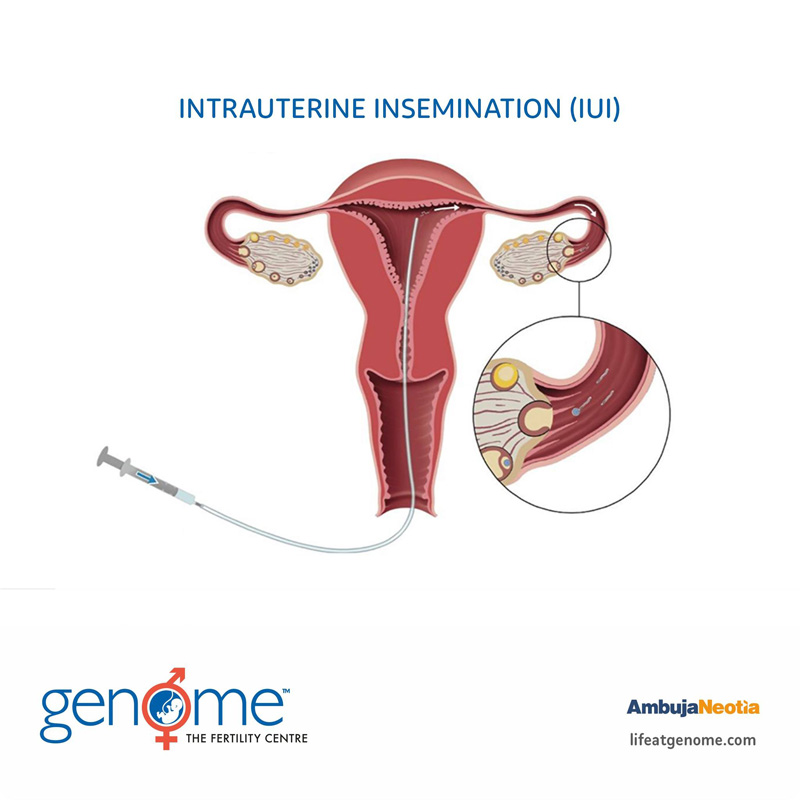
Intrauterine Insemination (IUI)
IUI stands for intrauterine insemination, which is a fertility treatment where sperm is inserted directly into the uterus through a small catheter. IUI is typically used for couples who are experiencing infertility due to issues such as low sperm count, endometriosis, or cervical factors, or for individuals or couples who are using donor sperm.
The process of IUI typically involves monitoring ovulation using ultrasound and blood tests to determine the optimal time for insemination. Sperm is collected, washed, and concentrated in a laboratory, and then inserted directly into the uterus using a small catheter.
IUI is a less invasive and less expensive option compared to other fertility treatments such as in vitro fertilization (IVF). It can be done with or without fertility medications to stimulate ovulation, depending on the individual or couple's specific situation.
This procedure is combined with hormone treatments to boost egg production can help couples with low sperm count, unexplained infertility, or cervical mucus problems. Semen is collected, and then delivered via a catheter inserted through the women's vagina and cervix to her uterus. The success rate of IUI varies depending on a number of factors, including the age of the individuals, the underlying cause of infertility, and the use of fertility medications.